

 Merch
Merch Medical card
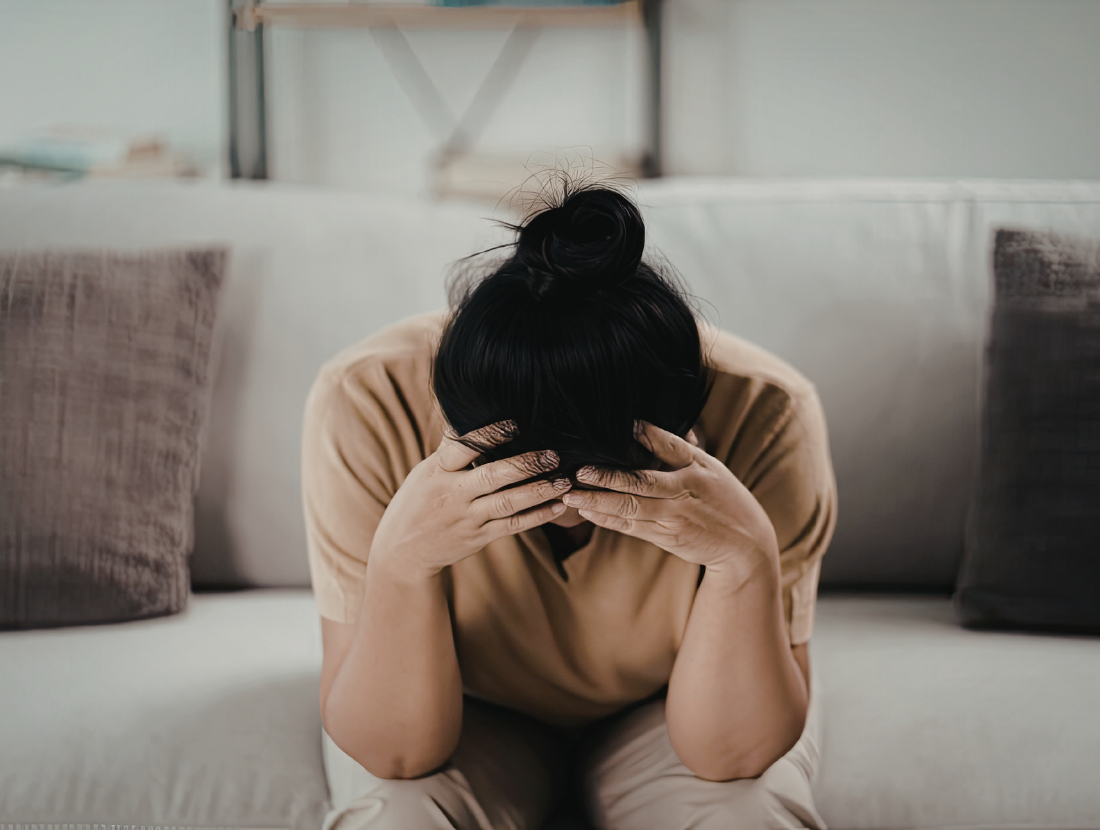
The endocannabinoid system plays a genuine role in stress regulation. That doesn’t mean using cannabis reliably supports it.
Forty-three percent of U.S. adults reported feeling more anxious in 2024 than the year before. Cannabis wellness marketing has moved quickly to fill that space, positioning cannabis for stress relief as a natural extension of the body’s own biology. The biology makes this framing seem plausible. But the controlled evidence points to something more complicated, and understanding the difference matters if you’re making decisions about your own mental health routine.
How the Endocannabinoid System Regulates Stress
The endocannabinoid system (ECS) is central to how your body manages the stress response. Through actions in the prefrontal cortex, amygdala, and hypothalamus, endocannabinoid signaling suppresses activity in the HPA axis, the biological cascade that produces cortisol when you face a stressor. Two key molecules drive this process: anandamide (AEA) and 2-arachidonoylglycerol (2-AG). Acute stress drops AEA levels and raises 2-AG levels. Chronic stress causes CB1 receptors, the primary binding sites for cannabinoids, to downregulate across multiple brain regions.


This is why cannabis feels relevant to stressed people: it interacts with a system that is already taxed under chronic stress. Interacting with that system via THC or CBD is a different thing from restoring it, and the distinction shapes how you should read everything that follows.
THC and Stress: The Dose Problem
The most rigorous human evidence on cannabis and acute stress is a double-blind, placebo-controlled laboratory study by Childs and colleagues. Participants who received a low dose of THC (7.5 mg) before a psychosocial stressor reported less stress than the placebo group and recovered faster. Participants who received a moderate dose (12.5 mg) reported increased anxiety and negative mood throughout the tasks. Cortisol levels did not differ between groups at either dose.
This biphasic dose-response, where a small amount may reduce stress and a larger amount may amplify anxiety, does not map cleanly onto commercial products. THC concentrations in retail cannabis vary widely, and precise dosing at the point of use is difficult in practice. The study also used occasional cannabis users in a lab setting, which is a meaningfully different population from someone who uses cannabis regularly at home to manage daily stress.
A systematic review on cannabis and anxiety documents the biphasic dose-response extensively and notes that individual differences, prior use history, and context all modify the outcome.
What Chronic Use Does to the Stress System
In a controlled study using the Maastricht Acute Stress Test, chronic cannabis users showed no measurable cortisol increase and a substantially smaller rise in subjective stress compared to non-users facing the same stressor. A comprehensive review of the acute and chronic cannabinoid exposure literature found consistent evidence of blunted cortisol awakening response and a flattened diurnal cortisol slope in regular cannabis users, with sex differences that remain underexplored.
Researchers framed blunted stress reactivity as an unresolved question: it could reflect resilience, or it could reflect a reduced capacity to mount a stress response that has real adaptive functions. A healthy stress response mobilizes energy, sharpens attention, and motivates action. Chronically suppressing it carries downstream costs that short-term self-report data does not capture.
CBD for Anxiety and Stress: What the Evidence Actually Shows
CBD’s reputation as a calming agent has outpaced the controlled evidence in healthy adults. The clearest human signal is for acute anxiety reduction in social anxiety disorder contexts. In healthy volunteers without a diagnosed anxiety condition, recent randomized controlled trials have often failed to replicate findings from earlier, smaller studies. A 2024 systematic review covering 11 RCTs from 2013 to 2023 found that CBD may reduce anxiety versus placebo, but results were inconsistent across disorder types and dosage protocols, and methodology varied widely between studies.
CBD’s mechanism, partial agonism of 5-HT1A receptors and negative allosteric modulation of CB1 receptors, is pharmacologically plausible for anxiolytic effects. Mechanistic plausibility and demonstrated clinical efficacy are different evidentiary standards, and most of the available human data falls short of the second.
CBG and Stress: What the First Human Trial Found
A 2024 double-blind, placebo-controlled crossover field trial, the first human clinical study for cannabigerol (CBG), found that 20 mg of hemp-derived CBG significantly reduced anxiety and stress ratings at multiple post-ingestion timepoints compared to placebo, without producing cognitive or motor impairment. The sample was 34 experienced cannabis users. The study was conducted remotely, with no physiological measures collected. That combination, a controlled design and a thin evidence base, is the honest framing for where CBG research currently stands.
When Using Cannabis for Stress Becomes a Risk
Across multiple studies, the motivation for using cannabis predicts outcomes as strongly as frequency of use. Among emerging adults, using cannabis to cope was associated with cannabis use disorder (OR = 1.85), higher perceived stress scores, and elevated depression, while using cannabis for social or enhancement reasons carried no comparable risk. A survey study of 988 college cannabis users found that coping motives, and not enhancement or social motives, moderated the relationship between stress and depression.
Cannabis may provide temporary relief from stress symptoms. Research on stress-related factors in cannabis use and misuse documents consistently that coping motives mediate the link between stress exposure and cannabis-related problems. The risk pattern is not about cannabis use in general, but about using cannabis as a primary strategy for managing psychological distress. When the Lancet Psychiatry’s most recent comprehensive meta-analysis of RCT evidence across cannabinoid formulations and mental health indications is considered, the overall evidence for cannabis as a treatment for anxiety and depression remains low quality.

Cannabis and Sleep: The Most Consistent Indirect Benefit
A 30-day diary study of 347 cannabis users with affective symptoms found that cannabis use days were associated with better subjective sleep quality. Edible and CBD-dominant products showed the strongest associations. Sleep deprivation amplifies stress reactivity, so improved sleep is a plausible indirect pathway for stress relief. Controlled polysomnography data on cannabis and sleep architecture is more mixed, and tolerance and dependence risks associated with regular cannabis use for sleep are documented.
The gap between how cannabis for stress relief is marketed and what controlled research can support is substantial. The ECS is involved in stress regulation. THC’s effects on stress are dose-dependent and biphasic. CBD’s anxiolytic effects in healthy adults remain inconsistent across controlled trials. Coping-motivated use carries measurable risks that appear independent of frequency. Bringing those distinctions into focus is what using cannabis as part of a mental health routine, rather than as a substitute for one, requires.
Frequently Asked Questions
Does cannabis reduce stress?
Cannabis may reduce subjective stress at low doses, but the effect is dose-dependent. A controlled human study found that 7.5 mg of THC reduced stress after a psychosocial stressor, while 12.5 mg increased anxiety and negative mood. The effect does not map cleanly onto real-world products, where THC concentrations vary widely and precise dosing is difficult.
What does the endocannabinoid system have to do with stress?
The endocannabinoid system helps regulate the HPA axis, the biological cascade that produces cortisol when you face a stressor. Key endocannabinoid molecules shift in response to acute stress, and chronic stress causes CB1 receptors to downregulate across multiple brain regions. Consuming cannabis interacts with this system, but that is not the same as restoring it.
Is CBD proven to reduce anxiety?
The evidence is mixed. The clearest human signal is for acute anxiety in social anxiety disorder contexts. In healthy adults without a diagnosed condition, recent randomized controlled trials have often failed to replicate earlier positive findings. A 2024 systematic review of 11 RCTs found inconsistent results across disorder types and dosage protocols.
Why does using cannabis to cope with stress become a problem?
Research shows that coping motives for cannabis use predict cannabis use disorder, elevated perceived stress, and higher depression scores, while using cannabis for social or enhancement reasons does not carry the same risk. The motivation for use predicts outcomes as strongly as frequency of use.
Does cannabis help with sleep and stress?
A 30-day naturalistic diary study in 347 cannabis users with affective symptoms found that cannabis use days were associated with better subjective sleep quality, with edible and CBD-dominant products showing the strongest associations. Sleep deprivation amplifies stress reactivity, making this a plausible indirect benefit, though controlled sleep architecture data is more mixed.


Sign up for bi-weekly updates, packed full of cannabis education, recipes, and tips. Your inbox will love it.