

 Merch
Merch Medical card

Something important is happening in health and medicine, and most people can feel it even if they don’t yet have language for it.
Chronic illness continues to rise across much of the world. Anxiety, burnout, sleep disruption, chronic pain, inflammatory disorders, digestive problems, autoimmune conditions, and emotional dysregulation are becoming increasingly common. At the same time, more people are beginning to question whether the models we currently rely on are fully sufficient to explain what they are experiencing—or how to help them heal.

Many patients today feel caught between worlds.
On one side is conventional medicine, which remains essential and lifesaving in countless situations, yet often struggles when it comes to chronic, overlapping, or difficult-to-treat conditions. On the other side is an overwhelming landscape of online information, social media advice, wellness culture, anecdotal claims, and increasingly aggressive marketing around cannabis, psychedelics, supplements, and other emerging therapies.
Somewhere in the middle are millions of people simply trying to make more informed decisions about their health.
At the same time, clinicians themselves are navigating a rapidly changing landscape. Many are increasingly curious about cannabinoid medicine, psychedelic-assisted therapies, nutritional psychiatry, nervous system regulation, lifestyle medicine, and the growing role stress physiology may play in chronic disease. Yet few received meaningful education in these areas during their formal training.
Even frontline cannabis workers and budtenders often find themselves in difficult positions. Every day, they are asked deeply personal health questions by people dealing with pain, insomnia, anxiety, trauma, menopause, cancer, neurodegenerative disorders, addiction, and chronic stress. Most genuinely want to help. Yet many are operating without consistent educational frameworks or evidence-informed guidance.
What all of these groups increasingly share is not simply an interest in cannabis itself.
It is something deeper.
People are steadily recognizing that symptoms rarely exist in isolation.
Stress affects sleep. Sleep affects inflammation. Inflammation affects mood. Trauma affects nervous system regulation. Emotional suppression affects physiology. Chronic illness changes perception, resilience, behavior, and relationships. The closer we look, the harder it becomes to separate mind from body as neatly as older models once assumed.
This does not mean every illness is “psychological,” nor does it mean biology suddenly disappears. It means human beings are more interconnected than many reductionistic frameworks previously recognized.
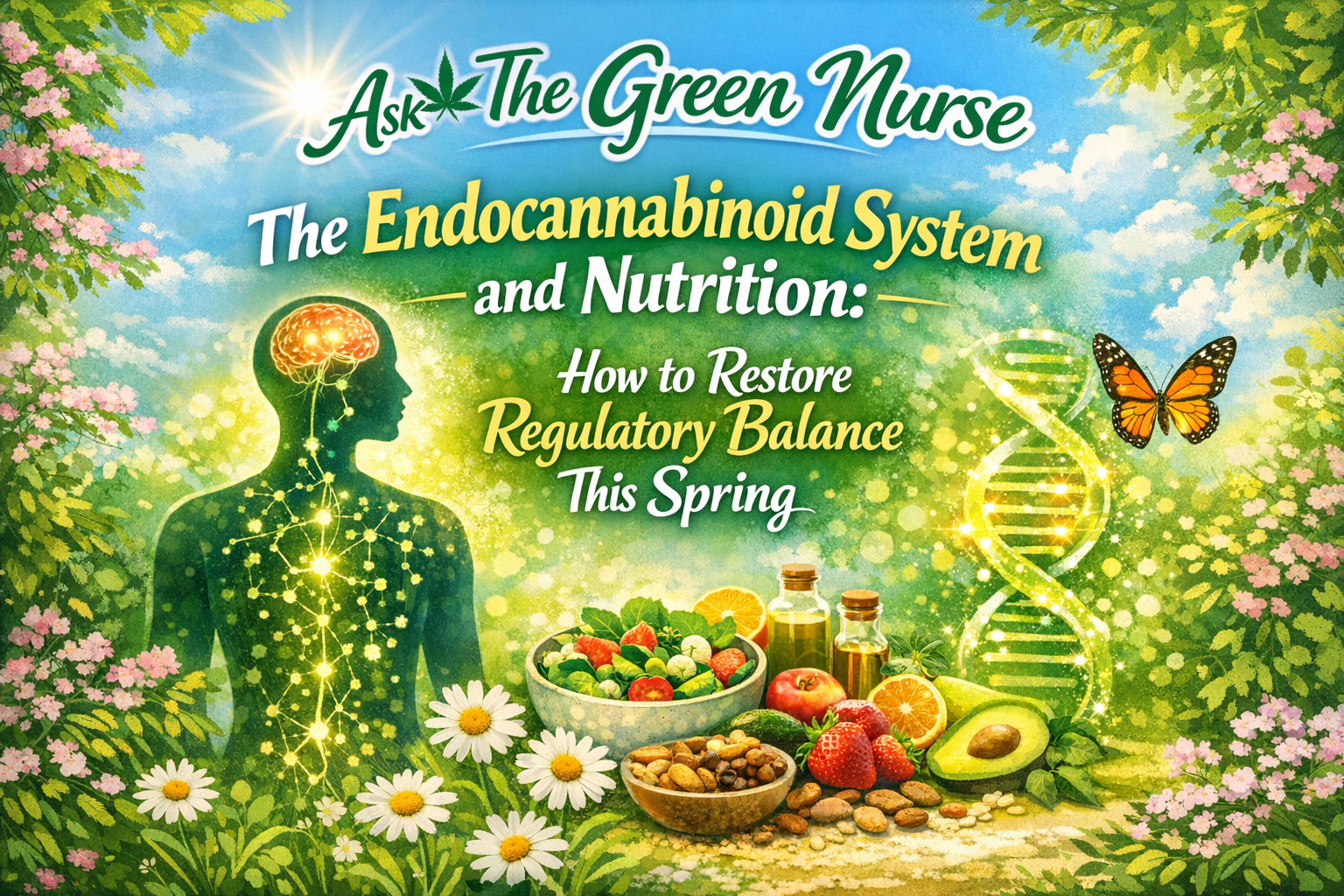
One of the systems drawing growing scientific attention in this context is the endocannabinoid system (ECS), a widespread regulatory network involved in stress adaptation, pain modulation, immune function, mood, sleep, appetite, memory, emotional processing, and homeostasis itself.


Part of what makes the ECS so compelling is that it sits at the intersection of physiology, environment, behavior, and lived experience.
Importantly, this does not mean cannabinoid-based therapeutics are appropriate for everyone or every condition. Nor does it mean the science is fully settled. Research quality varies widely across conditions, formulations, dosing strategies, and outcomes. Some areas show significant promise. Others remain mixed or preliminary. In some situations, risks may outweigh benefits entirely.
But perhaps the most important shift happening right now is this:
People are no longer asking only: “What product should I take?”
Increasingly, they are asking: “What is happening in my body?” “What role does stress play?” “Why do people respond so differently?” “What does the evidence actually suggest?” “How do I make more informed decisions?”
These are healthier questions.
And they point toward a growing need for better educational tools that can help bridge the gap between scientific research, clinical care, physiology, and lived human experience.
Over the next several weeks, I’ll be exploring this changing landscape from the perspective of the different groups trying to navigate it—patients, clinicians, frontline cannabis workers, and others—and why evidence-informed educational frameworks may matter more now than ever before.
Stay Tuned
This article is Part 1 of a 6-part series exploring the changing landscape of health, healing, and endocannabinoid medicine.
Coming Next: Part 2 — For Patients
Why so many people living with chronic illness are beginning to ask different questions about symptoms, stress, regulation, and healing—and why those questions matter.


Sign up for bi-weekly updates, packed full of cannabis education, recipes, and tips. Your inbox will love it.