

 Merch
Merch Medical card
Cannabis storage tips backed by degradation science, from cannabinoid stability to terpene loss, so your products survive the road trip
You packed the cooler, loaded the car, and tossed your cannabis in a bag on the back seat. By the time you reach the campsite, the interior of that car may have hit 130°F or higher. And the flower, cartridge, or tincture you brought along? It has already started to change.
Knowing how to store cannabis in summer starts with understanding degradation, a well-studied process where the research is clear: light exposure, not heat, is the single greatest factor in cannabinoid loss. Temperature matters. Oxygen matters. But UV light drives the fastest, most destructive changes to THC, CBD, and the terpenes that shape how a product smells, tastes, and feels. Understanding these mechanisms can help you make better storage decisions, especially when summer travel puts your products in hostile conditions.

How Light Exposure Causes Cannabis Degradation
Researchers established the primacy of light in cannabinoid stability research as early as 1976, and more recent work has confirmed the finding across product types and chemotypes. A 2024 photodegradation study examined how CBD and THC break down in the actual plant matrix when exposed to sunlight, identifying more than 22 cannabinoid compounds in sunlight-exposed samples across three cannabis chemotypes. Light degraded all cannabinoids present, without favoring the formation of any single byproduct.
Temperature, by contrast, changes the speed of degradation but follows a more linear path. A four-year controlled study by Zamengo et al. found that light altered both the rate and the chemical stoichiometry of THC-to-CBN conversion, while temperature affected rate alone. Under the worst conditions studied (light exposure at room temperature), researchers observed near-total THC loss after four years.
The degradation hierarchy, based on the primary literature: light first, oxygen second, heat third, time fourth. Most consumers assume heat is the top risk. The research says otherwise.
THC Degradation and the CBN Conversion Pathway
As THC degrades, it converts to cannabinol (CBN) through oxidation. But the conversion differs depending on the trigger. Lindholst’s four-year study on cannabis resin found that light-driven THC loss does not produce a proportional increase in CBN, while oxygen-driven degradation in the dark does. That distinction matters for anyone trying to predict what a degraded product will do. Acidic THC (THCA) in that study showed concentration half-lives of roughly 330 days in daylight and 462 days in darkness.
CBN is often marketed as “the sleepy cannabinoid,” but the evidence base for that claim is thin. A narrative review in Current Sleep Medicine Reports found that human studies on CBN and sleep are dated, limited in sample size, and rarely designed to measure sedation outcomes. A 2024 preclinical study showed CBN increased total sleep time in rats, but with biphasic effects: initial sleep suppression followed by a pronounced increase, affecting both NREM and REM stages. Degraded cannabis produces a different experience, but the idea that old flower “just makes you sleepy” oversimplifies limited and mixed evidence.
Terpene Degradation: Why Aroma Fades Before Potency
Terpene degradation may be the most noticeable change in aging cannabis. A 2025 study from ETH Zurich used enantiomeric analysis to map unique degradation pathways for each terpene under UV and heat stress, identifying p-cymene as a universal marker of terpene aging. Monoterpenes (myrcene, pinene, limonene) break down faster than sesquiterpenes (caryophyllene, humulene), so the bright, aromatic top notes of a cultivar fade first while heavier compounds linger.
That loss compounds. Research by Bueno et al. showed that terpenes with antioxidant properties reduced cannabinoid degradation by 47.4% in an accelerated stability test. Terpenes and cannabinoids appear to protect each other. Once you lose the terpenes, the cannabinoids degrade faster too.
Best Cannabis Storage Conditions: Temperature, Light, and Container Type
A 360-day controlled study by Anresco Laboratories tested cannabis trim in clear versus amber jars at 4°C, 20°C, and 30°C. The results: samples at 4°C stayed under 25% degradation through 210 days regardless of jar type, while samples at 20°C in clear jars crossed that threshold by day 60, demonstrating measurable cannabis potency loss within two months under common household conditions. Amber glass at room temperature extended the stability window to about 150 days, roughly tripling the clear-jar timeline. At 30°C (86°F), the study recorded the most rapid THCA decline, with approximately 20% average loss in the first 30 days.
Car interiors on a summer day exceed 30°C within minutes. The Anresco data showed 14.1% more total THC loss at 30°C compared to 4°C, and that’s at a temperature well below what a parked car reaches in direct sun. At true car-interior temperatures (54–77°C), degradation shifts from a weeks-and-months timeline to hours-and-days.
CBD products face their own risk. Research on CBD photochemistry found that CBD in solution has a photodegradation half-life of about 15 minutes under UV light, and that Δ9-THC forms as a significant photoproduct of CBD breakdown. CBD tinctures and oils left on a sunny dashboard don’t just lose potency; they change composition.
How to Store Cannabis on Summer Road Trips
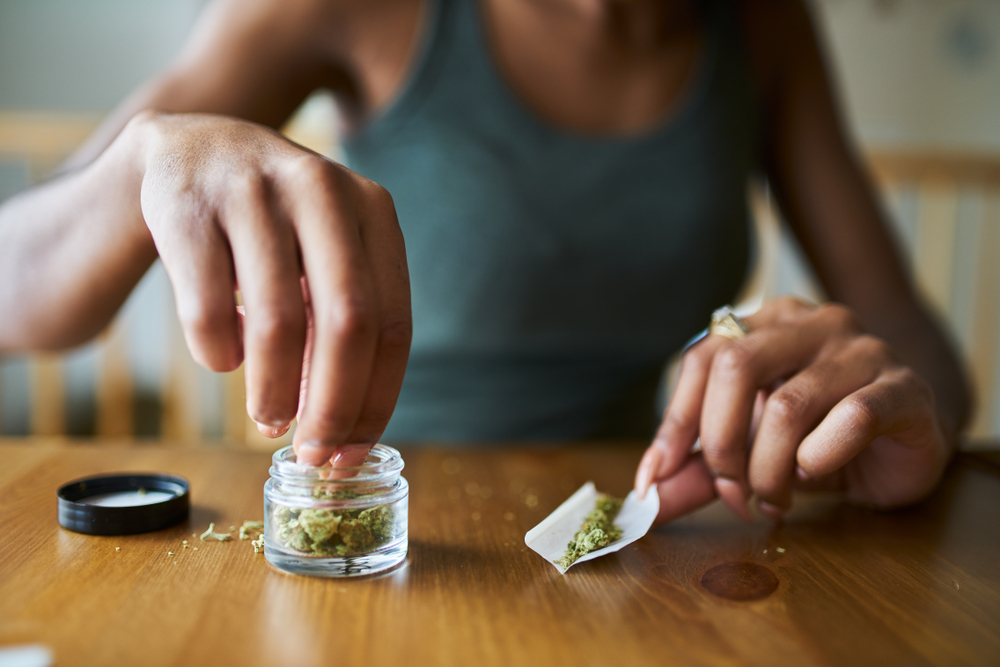
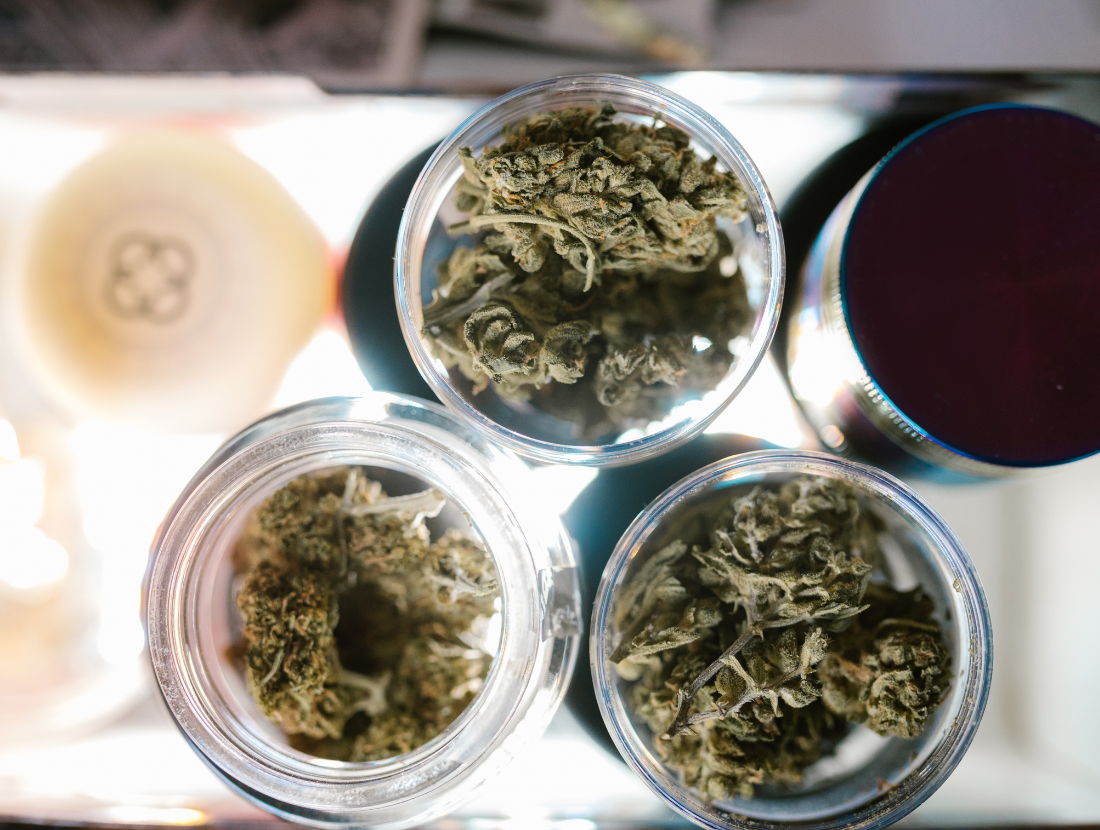
A few cannabis storage tips hold up across the research. Keep products away from light, especially direct or indirect sunlight. Use amber or opaque containers. Store in the coldest practical location, such as a cooler, and avoid leaving anything in a parked car. Humidity control packs (targeting 55–62% relative humidity) help protect flower trichomes from becoming brittle and releasing their contents into the air. Extracts, tinctures, and beverages degrade faster than flower, so they need more protection, not less.
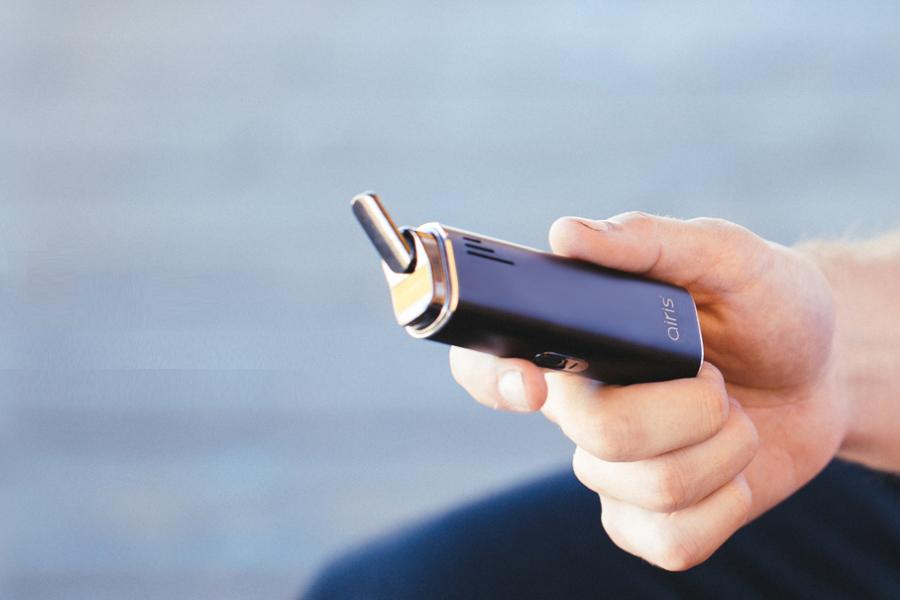
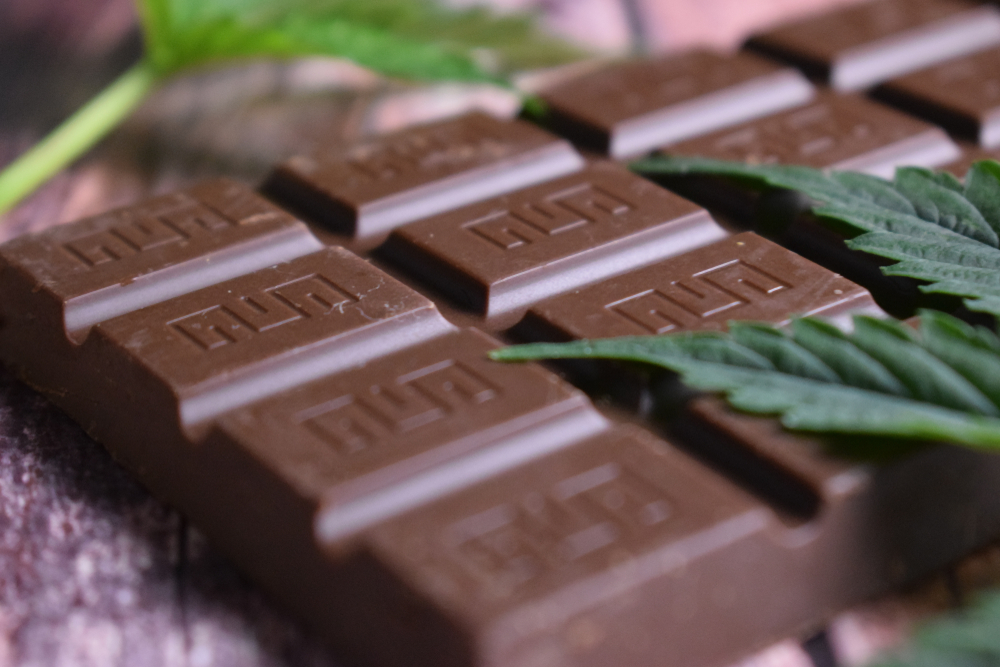
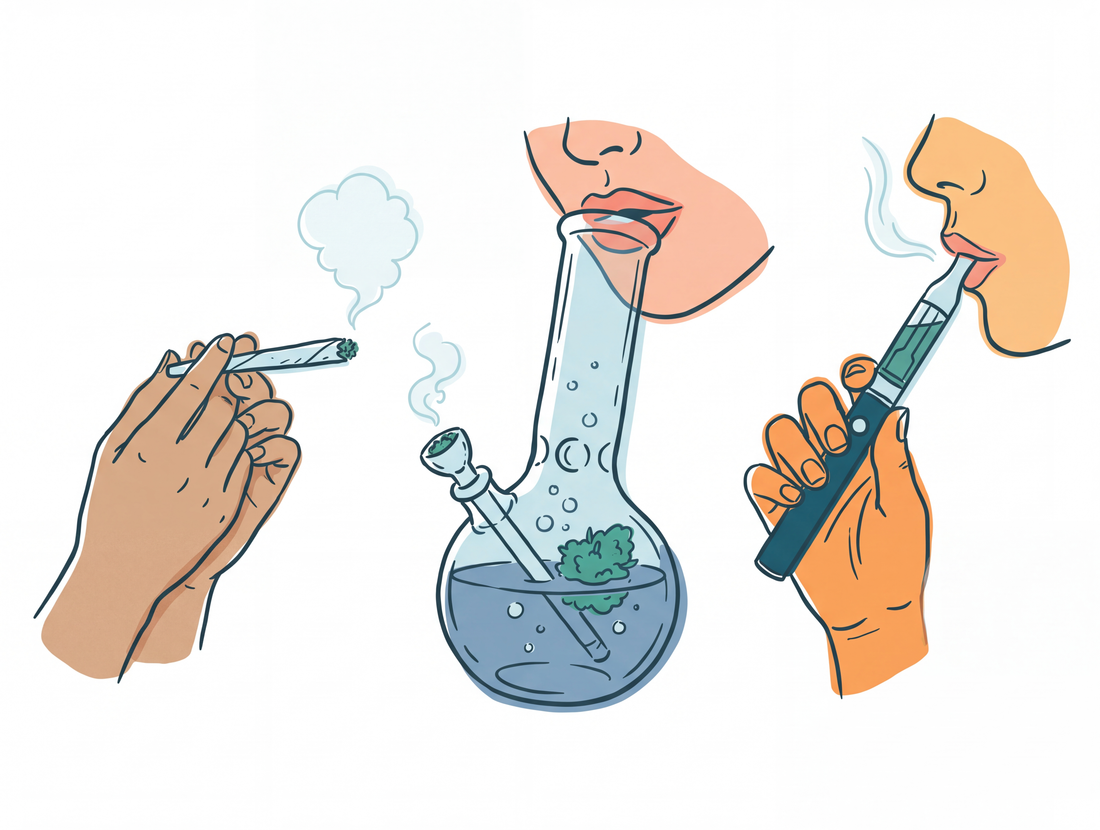
Product format affects vulnerability. Solid-state cannabinoids are more stable than cannabinoids dissolved in oil. Edible gummies hold up better than tinctures due to low moisture and encapsulated cannabinoids. Vape cartridges face degradation from both environmental heat and internal heating cycles. Cannabis-infused beverages are the least stable option: one study found THC concentrations dropped to 50% or less within three to seven days at ambient temperature.
Summer trips don’t have to ruin your products. When you travel with cannabis, the science gives you specific, actionable guidance to protect cannabis from heat and light: control light exposure first, temperature second, and oxygen third. An amber jar in a cooler covers the first two. An airtight seal handles the third. From there, keep products out of the sun and out of hot cars, which is good advice for most things you’d rather not lose to the heat.
Cannabis Storage FAQ
How long does cannabis stay potent in storage?
Cannabis shelf life depends on storage conditions. Flower stored in a dark, cool environment (around 4°C/39°F) in an airtight amber glass container can remain relatively stable for six months or longer. At room temperature in clear containers, significant THC loss can begin within 60 days. Extracts and oils degrade roughly 10 times faster than intact flower under similar conditions.
Does old cannabis become dangerous?
Degraded cannabis is not toxic, but it is pharmacologically different from fresh material. THC converts to CBN through oxidation and light exposure, and terpene profiles shift as volatile monoterpenes break down. You may notice a less intoxicating effect, with altered flavor and aroma, but the product does not become poisonous.
Is heat or light worse for cannabis?
Light. Research dating to 1976 and confirmed through 2024 identifies light exposure as the single greatest factor in cannabinoid loss, surpassing both temperature and oxidation as independent variables. Heat accelerates the speed of degradation, but light changes both the speed and the chemical pathway.
Do edibles and vape cartridges degrade the same way as flower?
No. Product format affects degradation rate. Solid-state cannabinoids are more stable than cannabinoids in oil solutions. Edible gummies resist degradation better than tinctures due to low moisture and encapsulated cannabinoids. Vape cartridges face dual degradation from environmental heat and repeated internal heating cycles. Cannabis-infused beverages are the most vulnerable, losing 50% or more of THC within days at room temperature.


Sign up for bi-weekly updates, packed full of cannabis education, recipes, and tips. Your inbox will love it.