

 Merch
Merch Medical card

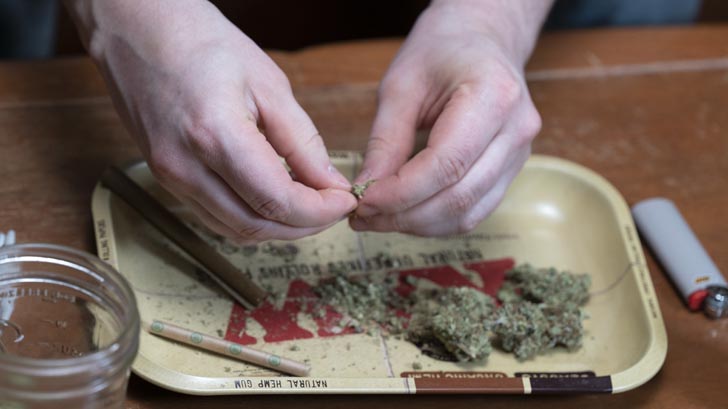
On May 3, 2026, a special committee of Israel’s Ministry of Health recommended ending smoking as a route of administration for medical cannabis within three years, with new patients to be started only on oils or precision inhalers and existing patients gradually transitioned. The recommendation is non-binding, but it comes from one of the world’s pioneer medical cannabis programs — Israel has licensed medical cannabis since 1992 — and other medical-only programs are watching closely. This is a story about delivery method, dose precision, and where regulated medical cannabis is going.
What was announced
The committee recommended four things. First, smoked medical cannabis should be phased out over a three-year transition. Second, all new prescriptions should begin with oils or precision inhalers, not smokable flower. Third, existing patients should be transitioned gradually, with exceptions for patients over 75 and the terminally ill, who may continue smoking-based treatment. Fourth, full responsibility for prescribing, monitoring, and approving medical cannabis should move to the health maintenance organizations (kupot cholim) under a single unified prescription system.

Why now — and why this matters
Smokable flower currently accounts for up to 98% of licensed medical cannabis purchases in Israel. The committee’s stated concerns are clinical: smoking produces inconsistent dosing and absorption, exposes patients to combustion byproducts (carbon monoxide, tar, polycyclic aromatic hydrocarbons) that have no therapeutic role, and — at the system level — has produced consumption patterns that look more like a wellness market than a structured medical one. Oils deliver more predictable dose-response curves; precision inhalers deliver measured doses with rapid onset and without combustion.
What patients and clinicians lose, and gain
What patients lose is real. Smoked flower offers fast-onset relief that oils cannot match for breakthrough pain or acute nausea, and many long-time medical users prefer the ritual and titration of smoking. What clinicians gain is also real. Standardized doses make medical cannabis behave more like a pharmaceutical and less like a herbal product, which improves drug-interaction analysis, outcome measurement, and the kind of clinical evidence that has historically been hard to generate. The Israeli announcement is essentially a regulator saying that, at scale, the second set of gains outweighs the first.
Why the rest of the world should pay attention
Israel has been a research and policy reference point for medical cannabis for thirty years — from Raphael Mechoulam’s foundational work on cannabinoid chemistry to the country’s structured patient program. Other medical-only jurisdictions — Germany, Australia, the United Kingdom, Italy, Czechia, and the U.S. medical-only states — face the same underlying tension: how does a medical program coexist with smokable flower when the dosing, route, and patterns of use look essentially recreational? Israel’s three-year phase-out is the first major regulatory answer at scale. Expect it to be cited in every other jurisdiction’s next review.
Industry implications
Israeli licensed producers and importers built businesses centered on smokable flower because that is what 98% of patients buy. The phase-out compresses that market and shifts it toward oils, extracts, and inhaler-compatible formats — a structurally different product mix with different margins, different regulatory burdens, and different competitive dynamics. Companies positioned in oils and precision-delivery technologies are the near-term winners; flower-only operators have three years to reposition or wind down.
The Cannigma takeaway
Where medical cannabis is going, globally, is toward standardized, dose-precise, pharmacy-distributed formats — and away from product forms that blur the line between medical and recreational.
Sources
- Times of Israel — Health Ministry panel advises halt
- StratCann — Israel three-year phase-out
- JNS / Cleveland Jewish News — Medical cannabis overhaul debate
- MJBizDaily — Should medical cannabis be smoked?
- Ynetnews — Israel got hooked on medical cannabis
- Jerusalem Post — Health Ministry guideline changes


Sign up for bi-weekly updates, packed full of cannabis education, recipes, and tips. Your inbox will love it.